In the ever-evolving world of gaming, simulation games have carved out a unique niche that offers players the chance to experience life-like activities in a controlled, interactive environment. These games, characterized by their ability to mimic real-world activities with intricate details, are not just about entertainment but also education and awareness. One interesting facet of simulation games is how they can align with the United Nations' Sustainable Development Goals (SDGs), particularly Goal 11: Sustainable Cities and Communities.
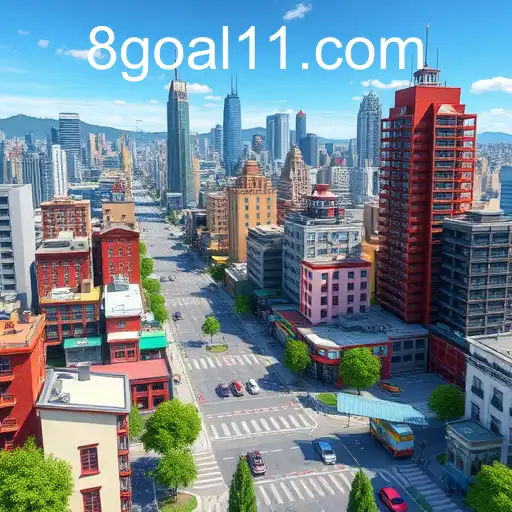
Simulation games, at their core, provide players with the opportunity to create, design, and manage complex systems. This genre of gaming has seen a huge surge in popularity due to its engaging yet thought-provoking nature which resonates with the increasing global awareness towards developing sustainable environments. Games like 'Cities: Skylines' or 'SimCity' are prime examples, offering players the chance to build and manage cities from the ground up, considering factors such as transportation, housing, and public services. These games are immersive educational tools that not only engage but educate players about the dynamics of urban planning, resource management, and the importance of sustainable development.
Goal 11 of the Sustainable Development Goals emphasizes the need to make cities inclusive, safe, resilient, and sustainable. Simulation games align with this goal by encouraging players to think critically about the balance between urban growth and sustainability. Players are tasked with making decisions that have long-term impacts, such as reducing pollution, enhancing public transport, implementing green policies, and managing emergencies. By navigating these challenges in a virtual space, players can reflect on real-world implications and the importance of sustainable practices.
Moreover, these simulation games often incorporate real-world challenges like climate change, natural disasters, and resource shortages, providing a platform for players to experiment with solutions in a risk-free environment. This educational aspect of simulation games is crucial in raising awareness about the importance of sustainability and preparing players—a significant number of whom are young people—for the complex decisions that need to be made in real-world urban planning.
In conclusion, simulation games do more than entertain; they are powerful tools for education and awareness. By aligning with Goal 11, they provide a vital platform for learning about sustainability in urban environments. As these games continue to innovate and incorporate even more realistic elements, they will play an increasingly important role in shaping the understanding and actions of players towards creating sustainable futures. The next time you immerse yourself in building a virtual city, remember that the lessons you learn could one day contribute to making cities more sustainable and equitable in the real world.